白馬村の四季
アクティビティー
Flora & Fauna of Hakuba: A Nature Lover’s Guide to the Japanese Alps
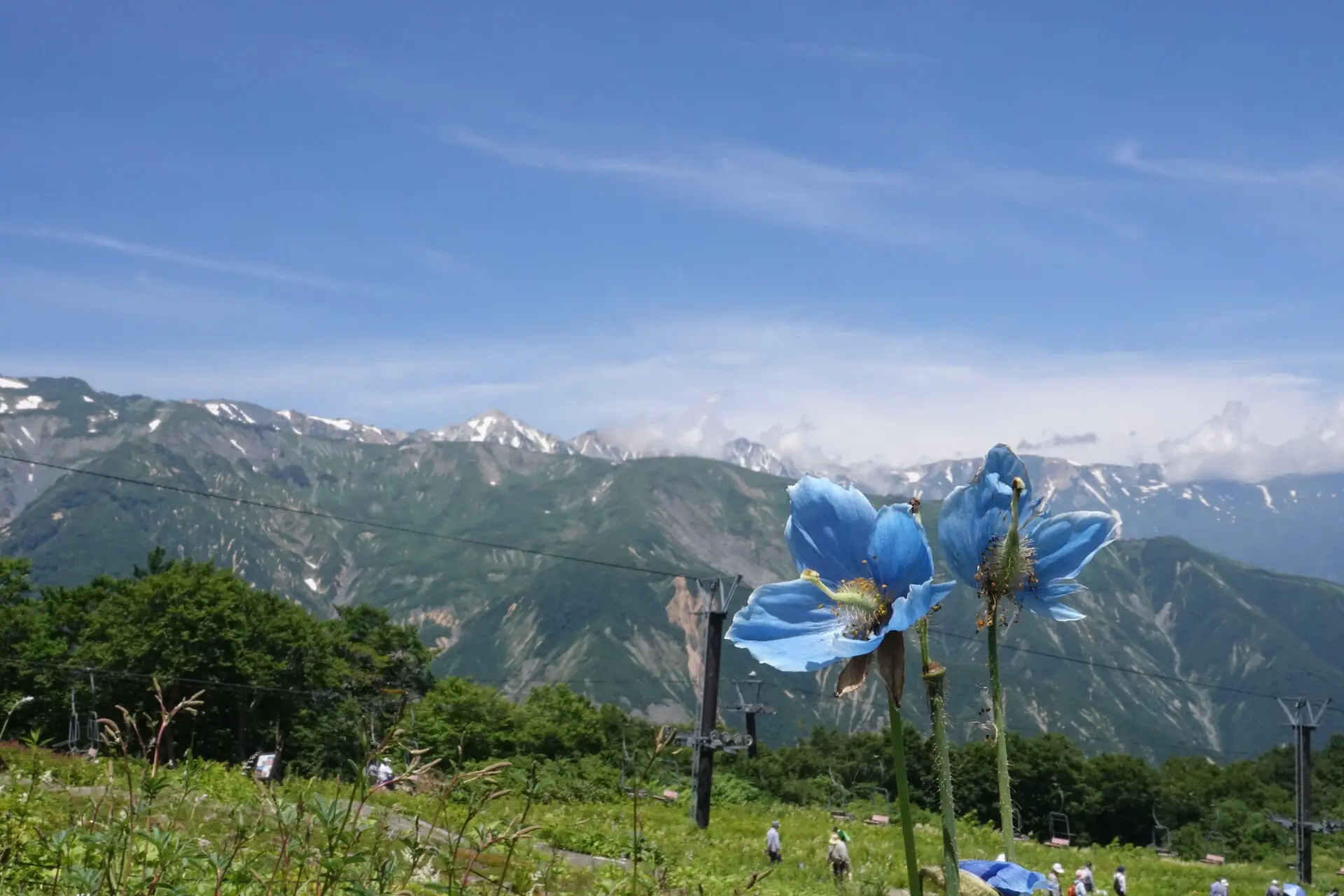
Hidden within Hakuba’s picturesqeu mountains is an entire world of alpine wildlife and seasonal plants.
For travellers, families, and outdoor adventurers, the valley offers a rare chance to experience the living heart of the Japanese Alps. From high-mountain birds and wildflowers to salamanders, beetles, and crystal-clear streams, Hakuba’s flora and fauna paint a vivid portrait of Japan’s natural heritage.
This guide introduces you to the species that call Hakuba home, the best seasons and locations to spot them, and how to explore respectfully so the mountains remain wild for generations to come.
Hakuba's Alpine Environment: A Valley Alive With Nature
Hakuba sits in the centre of the Northern Japanese Alps, where dramatic elevation changes create an extraordinary range of habitats. Within a single valley, you’ll find:
- Dense mixed forests
- Cold, pristine mountain streams
- Wetlands rich with amphibians and rare plants
- Alpine ridges shaped by snow and wind
- Meadows that bloom for only a few weeks each year
Hakuba supports a level of biodiversity unmatched in much of Japan. Families and hikers can explore multiple ecosystems in one day — from river valley to alpine summit — with surprising ease.
Raichō (Rock Ptarmigan)
High above the forests, in the windswept landscape above the tree line, lives one of Japan’s most treasured birds: the raichō, or Rock Ptarmigan. This endangered species is a symbol of Nagano Prefecture and a living remnant of the Ice Age.
Visitors hiking the ridges around Happo-one, Mt. Shirouma, or Goryu during summer have a chance to encounter them. The ptarmigan’s seasonal camouflage — brown in summer, white in winter — makes them remarkable to watch, especially for families experiencing alpine wildlife for the first time.
If you see one, keep your distance and stay on marked trails. The raichō’s habitat is fragile, and conservation efforts are ongoing.
Japanese Serow and the Forest Wildlife of Hakuba
Descending from the peaks, Hakuba’s forests are home to the Japanese serow, a goat-antelope species known for its curious expression and thick, dark fur. Serow are surprisingly common on quiet hillsides and forest edges, often pausing to watch hikers from a distance before slipping back into the trees.
Japanese Macaque (Snow Monkey)
Wild macaques live in the Hakuba region, often spotted early in the morning near forested paths or rural fields.
Japanese Hare
In winter, the hare turns completely white, offering a beautiful contrast against the snow.
Rare sightings
Deer, foxes, and tanuki are found across the broader Nagano region but are rarely seen in Hakuba. They remain part of the valley’s ecological story, even if visitors don’t encounter them often.
Birdwatching in Hakuba: A Haven for Alpine and Forest Birds
Hakuba is one of Nagano’s best birdwatching locations, thanks to its mix of wetlands, rivers, deep forests, and high alpine ridges.
Green Pheasant (Kiji)
Japan’s national bird is bright, bold, and often heard before it’s seen — a springtime treat for early risers.
Alpine and woodland species
- Woodpeckers tapping through cedar forests
- Kingfishers flashing blue along rivers
- Wagtails bouncing across streambeds
- Owls calling from high branches
- Eagles and hawks soaring along the ridgelines
Birdwatching is excellent from spring through autumn, and families can enjoy spotting wagtails and kingfishers around village rivers and rice fields.
Butterflies and Insects: Small Wonders of the Hakuba Valley
One of Hakuba’s most surprising natural treasures is its population of rare and culturally beloved insects.
Gifu Butterfly and Hime-gifu Butterfly
Together called “Spring Goddesses,” these swallowtail butterflies are legendary among nature lovers. Hakuba is unusually special because it lies precisely on the distribution boundary, allowing both species to coexist — a rarity in Japan.
Their yellow-and-black patterns make them a favourite subject for photographers in April and May.
Kabuto-mushi and Kuwagata
Summer brings the classic Japanese tradition of beetle hunting. Families can search safe wooded areas for rhinoceros beetles and stag beetles — a hands-on, kid-friendly way to experience life in the forest.
Alpine insects and ancient species
Hakuba’s cold, high-altitude environments shelter unique species:
- Snowfield stoneflies (セッケイムシ)
- The primitive トワダカワゲラ insect
- ガロアムシ, an ancient species found only in Japan and North America
You may not see these directly, but they hint at the valley’s prehistoric character.
Amphibians of Hakuba: Wetland Life and Mountain Streams
Hakuba’s wetlands, ponds, and streams are home to an impressive variety of amphibians — many rare, and some found almost nowhere else in Japan.
Moriaogaeru (Forest Green Tree Frog)
Perhaps the most striking sight in early summer. The frog’s bright green body and golden eyes are beautiful, but its foam nests — left hanging from branches over ponds — truly capture attention.
Hakuba Salamander (ハクバサンショウウオ)
A species discovered only in 1975, and is almost entirely endemic to Hakuba. This makes the valley a globally significant location for salamander conservation.
Other Notable Amphibians
- Kurosanshouuo (salamander) gathering at alpine ponds in spring
- Hakone salamanders in mountain streams
- Tagogaeru and Yamaka-gaeru frogs
- Azuma toads are found from foothills to subalpine forests
For families, the wetland boardwalks offer safe, exciting opportunities to observe frog spawn, tadpoles, and small amphibians.
Reptiles in Hakuba
Reptiles are present in Hakuba, but are seen far less frequently than birds or mammals.
Species include:
- Yamakagashi (a colourful but venomous snake, usually shy)
- Mamushi (pit viper, rare in visitor areas)
- Aodaishō and Shimahebi (common, harmless snakes)
- High-altitude specialists like ジムグリ and シロマダラ
For visitors, simple precautions apply: stay on marked trails and supervise children, especially in tall grass or near logs.
Flora of Hakuba: Wildflowers, Wetlands, and Alpine Meadows
Hakuba’s plant life is extraordinary — from seasonal flowers on village trails to high-alpine wildflower carpets blooming above the clouds.
Forest Flowers and Spring Ephemerals
In early spring, the snow melts away to reveal:
- Katakuri (dogtooth violet)
- Fukujusō
- Usuba Saishin and Miyama Aoi — essential host plants for rare butterflies
- Wild orchids (dozens of species recorded)
- Iwashimotsuke and flowering shrubs
These areas are ideal for families seeking easy, colourful walks in April and May.
Wetland Plants
Hakuba’s preserved wetland areas — especially around the Himekawa River source — are rich with unique flora:
- Zazensō (skunk cabbage)
- Nirin-sou
- Mizubashō
- Baikamo blooming in clear streams
- Iris, lilies, trilliums, violets, and gentians
Boardwalks allow visitors to explore these habitats without damaging delicate plants.
Alpine Flowers
A short gondola ride brings you into the realm of alpine flowers, especially from mid-July to early August.
Look for:
- Gentians
- Edelweiss-like usuyukisō species
- Cushion plants and tiny alpine shrubs
- Fields of bright alpine blooms around Happo, Goryu, and Tsugaike
For photographers and families, these meadows offer some of Hakuba’s most breathtaking summer views.
Exploring Hakuba Responsibly
Hakuba’s ecosystems are resilient yet fragile. Visitors can help preserve them:
- Stay on designated trails
- Keep your distance from wildlife
- Do not collect insects, plants, or amphibians
- Avoid feeding animals
- Use bear bells in forested areas
- Carry out all rubbish
- Teach children to respect nature
Mindful exploration allows Hakuba’s biodiversity to flourish.
A Mountain World Waiting to Be Discovered
For families, hikers, photographers, and anyone craving a deeper connection to the outdoors, Hakuba offers not just scenery — but the experience of stepping into a living mountain ecosystem.
Slow down. Wander with curiosity and let the valley reveal its secrets.
記事をシェアする