登山・トレッキング
スキー場
白馬村の四季
アクティビティー
Essential Gear for Hakuba’s Outdoor Adventures
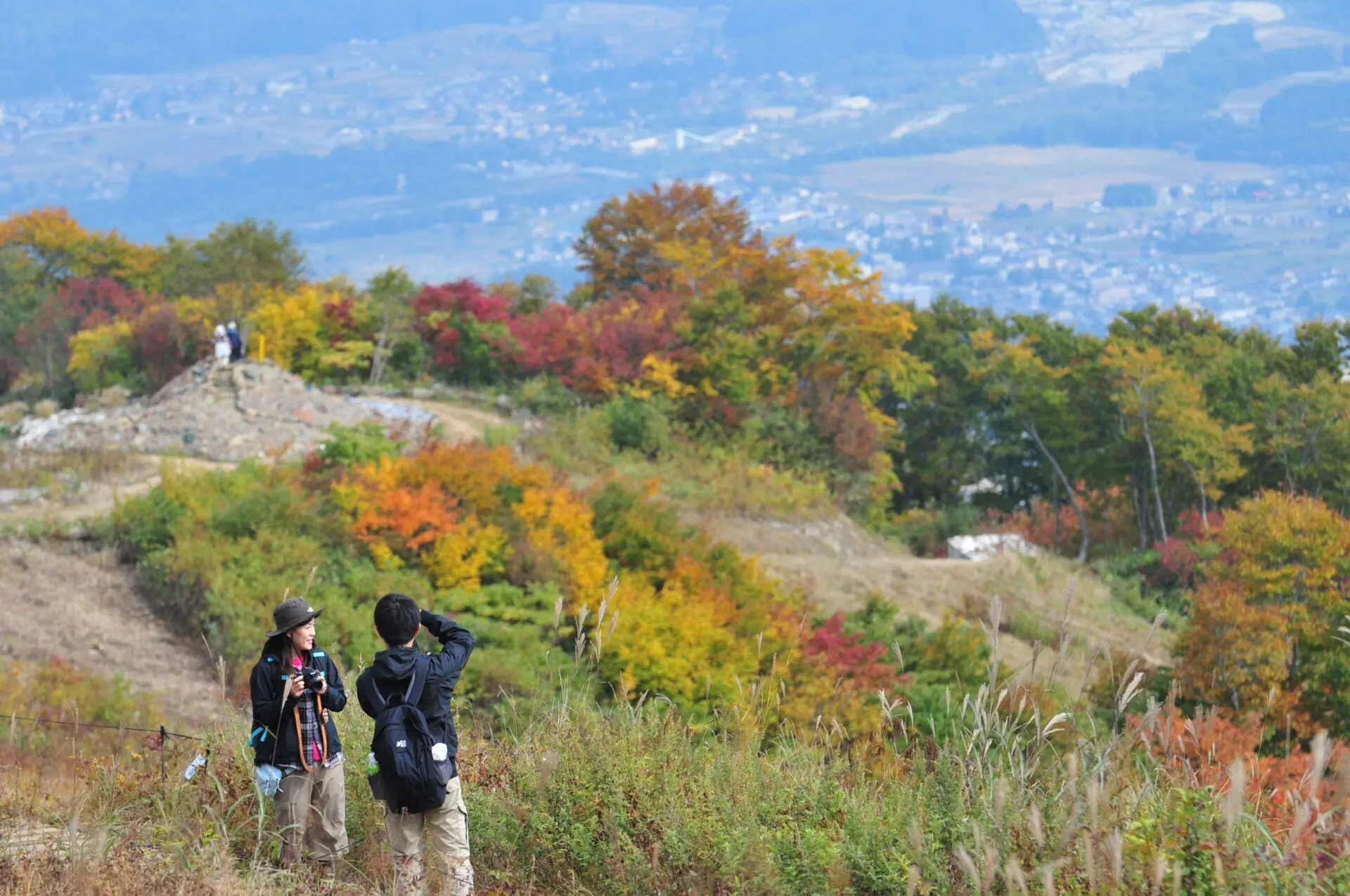
Hakuba’s mountains are the kind of place that makes you stop mid‑stride. Snow‑covered ridgelines in winter. Dense forests and cool alpine air in summer. Wide‑open terrain that invites exploration year‑round. But as beautiful as Hakuba is, its environment demands respect. Weather and conditions change fast. Preparation isn’t optional here; it’s what keeps your adventure enjoyable and safe.
This guide breaks down the essential gear for Hakuba’s most popular outdoor activities—hiking, skiing, backcountry touring, and mountain biking—then layers in key seasonal adjustments that keep you protected no matter when you visit.
Hiking and Trekking Gear
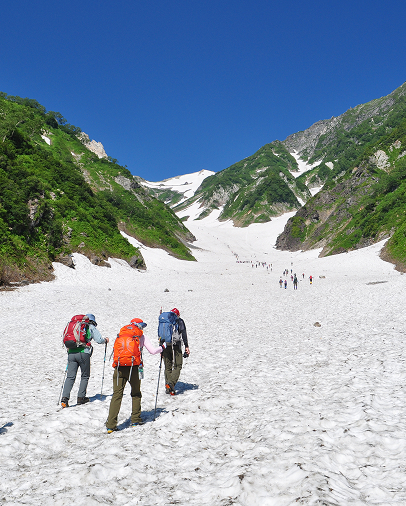
Hakuba’s hiking routes range from mellow valley walks to steep alpine ascents. Conditions can change quickly, even on clear days, so your gear choices make a noticeable difference in safety and comfort.
Core Safety Gear for Hiking
- Moisture‑wicking base layers
- Warm mid‑layer for higher elevation temperature drops
- Waterproof and windproof shell
- Trail shoes or boots with solid grip and ankle support
- Trekking poles for stability on roots, scree, or wet ground
- Backpack with water (hydration bladder or bottles), food, and basic first aid
- Offline navigation (map app), and ideally a paper backup
- Sun protection: hat, sunglasses, sunscreen
Optional but often valuable: light gloves for scrambling, bug repellent, and a compact emergency blanket.
Seasonal Adjustments
Spring
Lingering snow above the treeline is common. And microspikes or crampons may be necessary to check trail conditions before heading out.
Summer
Expect warm, humid conditions in the valley, with cooler air at higher elevations. Bring electrolytes, start early, and be prepared for sudden rain.
Autumn
Mornings can drop to near freezing. Pack an extra layer and plan around shorter daylight hours.
Skiing and Snowboarding Gear
Hakuba’s snowfall is significant. Many areas of the valley regularly see 11 meters of snow each winter. Deep powder and variable terrain require reliable, protective gear.
Core Safety Gear for Skiing and Snowboarding
- Skis or board with bindings (rental shops offer high‑quality equipment)
- Helmet for impact protection, especially in tree areas
- Goggles suited for low‑light and snowy conditions
- Waterproof and insulated jacket and pants
- Thermal base layers and warm mid‑layer
- Waterproof gloves or mitts
- Neck gaiter or balaclava
If you’re skiing off‑piste or exploring sidecountry terrain, avalanche safety gear becomes non‑negotiable.
Seasonal Adjustments
Early Winter
Coverage may be variable. Stay on marked runs and watch for exposed hazards.
Mid‑Winter (January–February)
Temperatures drop significantly at altitude, and snowfall intensifies. Prioritize insulation and waterproofing.
Spring Skiing
Snow softens quickly in the afternoon. Lighter layers of clothing work well, but waterproof gear is still necessary.
Backcountry Touring and Alpine Mountaineering Gear
Hakuba’s backcountry is legendary. It’s also remote, steep, and complex. Proper gear is essential, but so is experience. If you’re not trained in avalanche safety and winter navigation, a certified guide is the safest way to explore.
Core Safety Gear for Backcountry Travel
- Touring skis or splitboard with skins, or snowshoes paired with crampons
- Avalanche beacon, probe, and shovel
- Hard‑shell outerwear capable of handling wind, snow, and mixed conditions
- Multiple glove layers for warmth and dexterity
- GPS device plus topographic map
- Climbing helmet in technical terrain
- Emergency bivy, extra food, and extra water
- A communication device, such as a satellite messenger
Check avalanche and weather conditions before traveling into the backcountry.
Seasonal Adjustments
Early Winter (Nov – Jan)
Thin, unstable snowpack with lots of exposed hazards. Facets form early and can linger all season. Expect rocks, bamboo, and creek beds. Many classic lines aren’t filled in—keep terrain low-angle and conservative.
Mid-Winter (Jan – Feb)
Deep snow, strong winds, and rapid storm cycles. Persistent slabs are common above treeline. Very cold at altitude with frequent whiteouts. Bring full avy gear, strong insulation, and backup navigation. Conditions can shift in hours.
Spring (Mar – May)
Long days and warmer temps bring wet-snow avalanches, cornice failures, and glide cracks. Best stability is early; afternoons deteriorate fast. Lighter layers are fine, but waterproof shells still matter due to heavy, wet snow.
Mountain Biking and Summer Sports Gear
Hakuba’s summer months transform the valley into a hub for trail riding. Forest routes, lift‑access downhills, and cross‑country loops offer a mix of technical and scenic riding.
Core Safety Gear for Mountain Biking
- Helmet
- Padded gloves for grip and hand protection
- Sunglasses or clear lenses for dust and debris
- Trail shoes or SPD‑compatible bike shoes
- Padded bike shorts
- Hydration pack or bottles
- Basic tool kit, pump, and patch kit
- Lightweight rain jacket
Seasonal Adjustments
Summer
High humidity and heat are common. Choose breathable clothing and carry more water than you think you’ll need.
Autumn
Trail surfaces may be slick with leaves or morning frost. Add an extra layer for cooler starts.
Seasonal Safety Overview
Winter
- Be prepared for deep snow and sub‑zero temperatures.
- Check avalanche bulletins before heading into any ungroomed terrain.
- Use marked trails and ski areas unless properly equipped and trained.
Spring
- Expect mixed conditions at elevation.
- Trails may be muddy or icy depending on the day.
- Snow bridges and melt zones require caution.
Summer
- Sudden rain and storm systems can develop.
- UV exposure is substantial, especially on ridgelines.
- Hydration and heat management are crucial.
Autumn
- Cold snaps can bring early snow to the high mountains.
- Days shorten quickly; plan routes with daylight in mind.
- Extra insulation is beneficial even on “warm” forecast days.
Final Thoughts
Good gear is more than equipment. It’s peace of mind. Hakuba’s mountains reward those who prepare thoughtfully—whether you’re hiking a forest trail in summer or skiing deep powder in winter. With the right layers, tools, and awareness, you’ll experience Hakuba safely, confidently, and fully.
記事をシェアする