登山・トレッキング
アクティビティー
How to Use the Touzantodoke: Your Hakuba Mountain Registration Guide
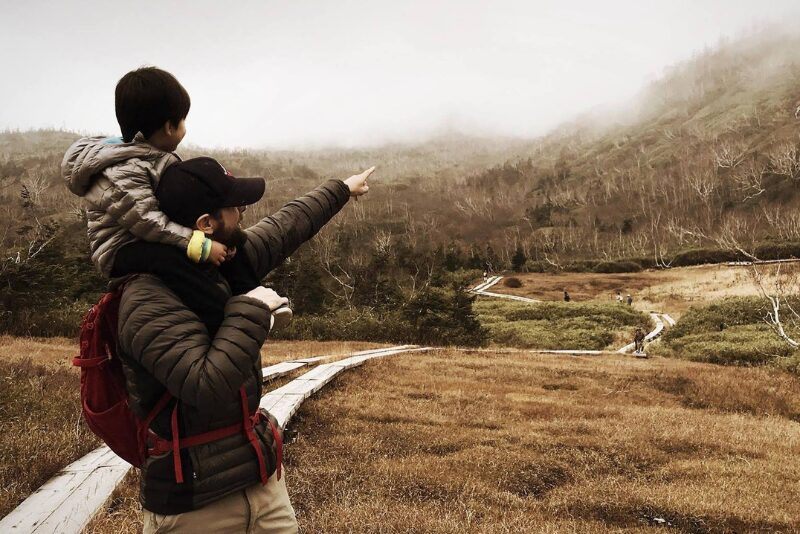
Hakuba’s alpine ridgelines and snowy backcountry routes are more than just scenic. They’re serious. The terrain demands respect, the weather changes fast, and what starts as a bluebird morning can shift into whiteout conditions by afternoon.
That’s why, before you hike or ski in the Hakuba region, there’s one essential step you should never skip: submitting a touzantodoke (登山届け).
It’s about preparing for the unexpected in one of Japan’s most awe-inspiring but demanding mountain environments. The Hakuba Valley sits at the heart of the Northern Japanese Alps, drawing adventurers from around the world with its rugged peaks, deep powder, and epic traverses. Whether you’re here for a sunny summer summit or a midwinter ski tour, proper planning isn’t optional — it’s your lifeline.
In this guide, we’ll walk you through exactly what the touzantodoke is, when and why you need it, how to fill it out, and how to submit it the right way.
You’ll also get practical safety tips and answers to common questions, so you can focus on what matters most: enjoying Hakuba’s mountains responsibly.
What Is the Touzantodoke?
The touzantodoke is a mountain-climbing registration form. It’s a document that helps authorities locate and assist you if something goes wrong in the mountains. But it’s not just helpful — it’s required.
In Nagano Prefecture, you must submit this form when hiking on designated trails or venturing into backcountry terrain, including off-piste skiing areas. The rule applies to both Japanese and international visitors. If you’re going with a certified guide, they usually handle the paperwork. If you’re heading out on your own, it’s entirely your responsibility.
When Do You Need to Submit One?
If your plans include hiking, ski touring, splitboarding, or any unguided adventure into the Northern Alps, you likely need to file a touzantodoke. This includes day hikes, hut-to-hut traverses, and winter backcountry lines.
Don’t assume the rule doesn’t apply just because it’s a short outing. Many of Hakuba’s most accessible trails are within the designated zone. And even if your route isn’t technically covered, local authorities strongly recommend submitting a form anyway.
It’s a small step that can make a big difference if conditions change or someone in your group gets injured.
Important: the requirement applies year-round. While the name implies “mountaineering,” the law doesn’t distinguish between seasons. Whether you’re planning a multi-day alpine traverse in July or dropping into powder bowls in February, the same rules apply.
Why It Matters
Rescue operations in the mountains are complex. Helicopters, multiple agencies, communication across valleys — these things take time and coordination. The touzantodoke streamlines that.
When rescuers know your intended route, timeline, group size, and emergency contacts, they can act faster. It can mean the difference between hours and days in a search.
Filing your route in advance helps prevent unnecessary rescues and gives responders critical intel when every second counts.
Even in cases where nothing goes wrong, the form creates a mindset of preparation. It forces you to map out your itinerary, assess group dynamics, and consider potential risks. That awareness alone can reduce the chance of accidents.
How to Fill Out the Touzantodoke
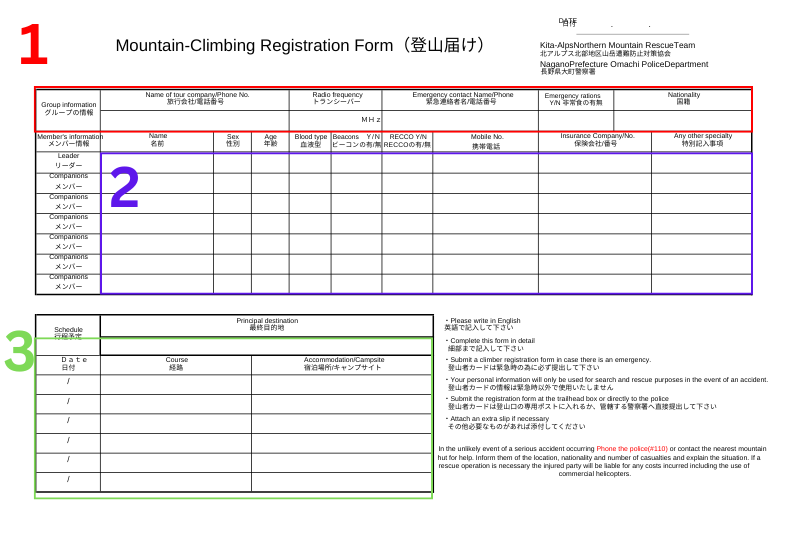
Let’s walk through the form section by section so you can fill it out accurately and confidently. You can download the PDF here.
1. Group Information
- Name of tour company / Phone No. – If you’re joining a guided trip, write the company name and contact number. If you’re hiking independently, leave it blank or write “N/A.”
- Radio frequency / Transceiver – If your group is carrying radios or avalanche transceivers, list the frequency or device type. If not, write “None.”
- Emergency contact (name/phone) – This should be someone not on the trip who can be contacted if you go missing or need assistance.
- Emergency rations: Y/N – Indicate whether you’re carrying backup food supplies.
- Nationality – Self-explanatory. Use the full country name (e.g., “Canada,” “Australia”).
2. Member Information
Each person in your group needs to be listed. Complete a row for each member:
- Name – Use your full name as listed on your ID or passport.
- Sex – M / F / Other.
- Age – Your current age.
- Blood type – If unknown, write “Unknown.“ This is helpful in emergencies.
- Beacons / RECCO: Y/N – Check if you are carrying avalanche rescue gear.
- Mobile number – Include a number that can be reached locally or internationally.
- Insurance company / Notes – Write your insurance provider’s name. If you don’t have mountain insurance, leave it blank, but be aware of the risks.
- Specialty / Medical Conditions – List allergies, medications, pre-existing conditions, or physical limitations. Also useful for dietary notes if you’re staying in mountain huts.
3. Schedule / Principal Destination
Use this section to document your daily plan. Be specific.
- Date – The actual calendar date for each day of your trip.
- Course – List the route you’ll take, from the trailhead to the summit to the destination. Include known landmarks, peaks, or passes.
- Example: “Tsugaike → Hakuba Daisekkei → Mt. Shirouma → Hakuba Sanso”
- Accommodation / Campsite – State where you will stay each night: a named hut, a tent site, or “day trip“ if returning the same day.
Use additional sheets if your trip spans multiple days or if you need more space. If using the mobile app Compass, these sections are typically filled out automatically based on your planned route.
Write neatly, use English if possible, and avoid abbreviations that confuse search and rescue teams.
Where to Submit the Form
There are a few ways to get your form to the right people:
Mobile app: You can submit using Compass from your phone.
On the ground: Many trailheads have dropboxes (登山ポスト) for paper forms. You can also fax it to 03-6862-5035 or mail it to Nagano’s mountain tourism department (the address is listed on the form).
Pro tip: even if you submit online, carry a printed or digital copy with you.
Tips for Safer Adventures in Hakuba
Submitting the form is step one. Here’s what else should be on your checklist:
- Double-check the weather. In 2025, snow lingered late into the season. Crampons and axes may still be necessary on some ridgelines.
- Pack layers, a headlamp, and more food than you think you need — even for a “short“ hike.
- Let someone at home know your plan.
- Don’t push for a summit if visibility drops or conditions turn.
- Consider joining a guided tour, like the Hakuba Meister programs, especially if you’re new to the area or the season.
- Review past trail closures and route advisories. Trail status can change quickly due to erosion, storms, or snowfall.
Being prepared isn’t overkill — it’s standard. The more you build risk awareness into your planning, the more you can relax and enjoy the scenery once you’re out there.
Final Thought
The touzantodoke is a lifeline.
Filling it out takes five minutes. But if you ever need help in Hakuba’s mountains, you’ll be glad you gave search teams a head start.
In a place as majestic and unpredictable as Hakuba, the smallest step — submitting a form — can have the biggest impact. It shows you’re prepared, respectful of local regulations, and mindful of your own safety.
FAQ
Is the touzantodoke required for all hikes?
No, only for designated trails and backcountry areas in Nagano Prefecture. But it’s highly recommended even if your route isn’t on the list.
Do I need to submit one if I'm with a guide?
Usually not. Most certified guides will submit it for you — but ask to confirm.
What if my plans change after I submit it?
If submitted online, you can resubmit with the updated details. There’s no need to cancel the old one.
Can I submit the form in Japanese?
Yes, but English is fine too. Use clear handwriting and make sure contact info is accurate.
Do I need to file again when I descend?
No descent form is needed. Just make sure someone knows your expected return date.
Can I use my own itinerary format?
Yes, some apps let you build a plan and export it. Just make sure the info matches what’s required: route, group, dates, contacts.
Do I need to submit a form for backcountry skiing?
Yes. The same rules apply. Whether you’re hiking or ski touring, if you’re entering alpine terrain, submit a touzantodoke.
記事をシェアする